

Anovulation Treatment

The glance of Anovulation causing Infertility Anovulation is the absence of ovulation (the release of egg). This causes infertility. Anovulation leads to the hormonal imbalance that causes a woman to ovulate and might be the reason for polycystic ovary syndrome (PCOS).Irregular menstruation indicates anovulation, and we have a plethora of diagnostic » »

India's Leading Kerala Ayurveda Sexologist & Infertility Specialist
best ayurveda infertility treatment c;linic in kerala india

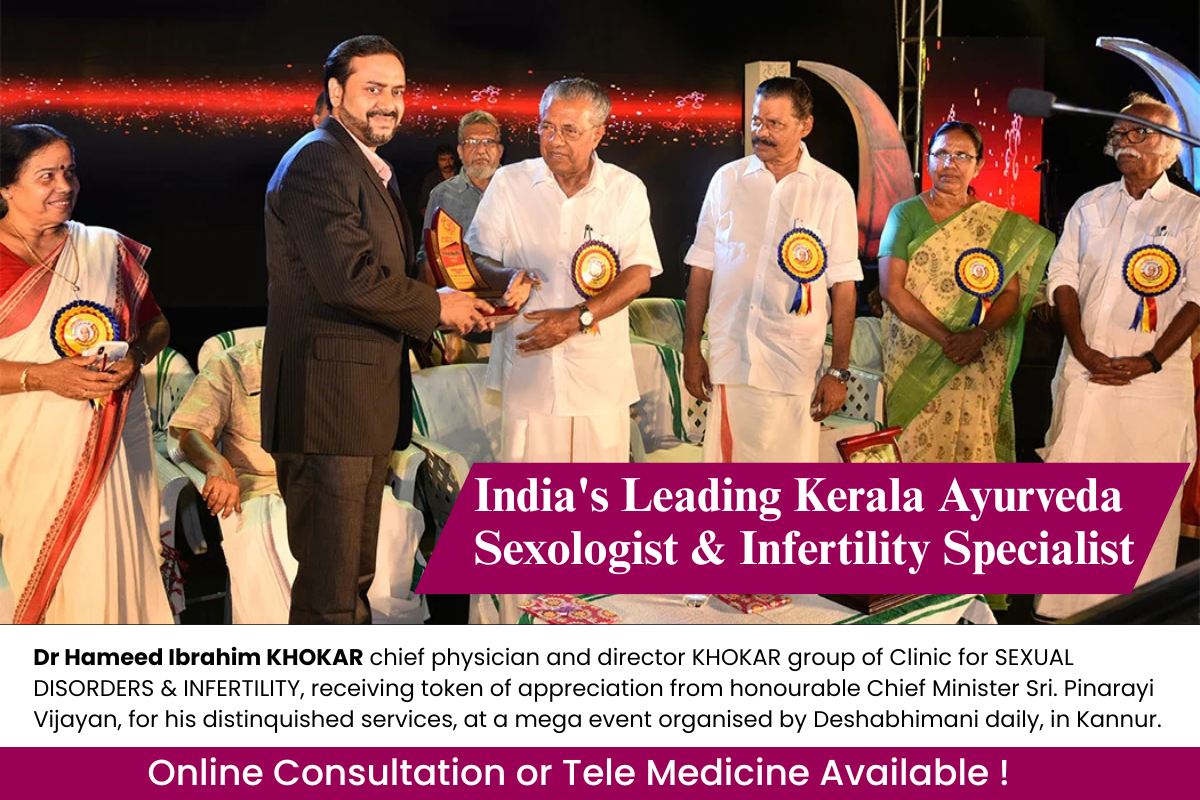
Dr Hameed Ibrahim KHOKAR chief physician and director KHOKAR group of Clinic for SEXUAL DISORDERS & INFERTILITY, receiving token of appreciation from honourable Chief Minister Sri. Pinarayi Vijayan, for his distinquished services, at a mega event organised by Deshabhimani daily, in Kannur.

award winning ayurveda doctor in kerala india

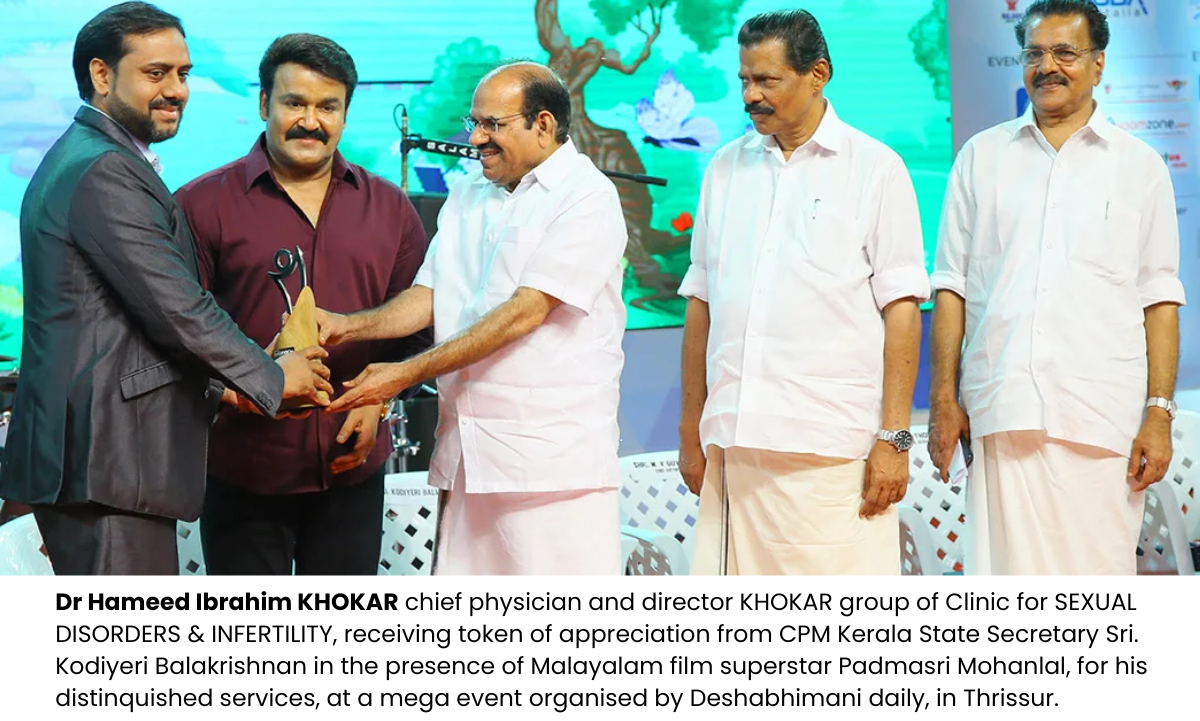
Dr Hameed Ibrahim KHOKAR chief physician and director KHOKAR group of Clinic for SEXUAL DISORDERS & INFERTILITY, receiving token of appreciation from CPM Kerala State Secretary Sri. Kodiyeri Balakrishnan in the presence of Malayalam film superstar Padmasri Mohanlal, for his distinquished services, at a mega event organised by Deshabhimani daily, in Thrissur.

SPECIALITY AYURVEDA TREATMENT

150
YEARS OF AYURVEDA LEGACY

PATIENTS
FROM OVER 45 COUNTRIES

MEDICINES DELIVERED WORLDWIDE

The glance of Anovulation causing Infertility

Anovulation is the absence of ovulation (the release of egg). This causes infertility. Anovulation leads to the hormonal imbalance that causes a woman to ovulate and might be the reason for polycystic ovary syndrome (PCOS).

Irregular menstruation
indicates anovulation, and we have a plethora of diagnostic tools to determine the cause of irregular cycles.
Based on the severity and cause, the treatment for anovulation includes medication, lifestyle

What does anovulation mean?

Anovulation happens when an egg does not ovulate or release from the woman’s ovaries. Chronic anovulation is the most common cause of infertility. Based on a study by the National Institutes of Health, these conditions bring 30 percent of female infertility. Anovulation may not always couple with irregular or lack of menstruation. But, with anovulatory cycles, there may be bleeding, where a woman could mistake for a normal menstruation, though this could rarely occur on a regular, monthly basis.

Women carry limited number of eggs and with the progressing reproductive years, the eggs lacks in quality and number. This decreases the chances of having baby by 3%-5% after the age of 30. The reduction in fertility is found to extend after the age of 40.

How does ovulation work?

Ovulation happens when the hypothalamus (a gland in the brain) secretes gonadotropin-releasing hormone (GnRH), which cause the pituitary gland (another gland of the brain) to release luteinizing hormone (LH) and follicle-stimulating hormone (FSH). Follicle Stimulating Hormone stimulates the woman’s eggs (follicles) that make the hormone estrogen building the uterine lining. Then the release of Luteinizing Hormone (“LH surge”), serves to release the egg from the ovary to the fallopian tube. During this time, fertilization by the male’s sperm must take place within 12-24 hours, or the egg can no longer be viable. When fertilization occurs, the embryo reaches the uterus and attaches to the wall of the uterus within five days after ovulation leading to pregnancy. When fertilization doesn’t take place, the progesterone levels decrease and the uterine lining sheds with a menstrual period.

Reasons of anovulation

When the ovulation process is interrupted, this could result in anovulation. Ovulation seems to be a complex process that involves several glands and organs and the chemicals to be sequentially released. So several things could cause anovulation.

A few common causes of anovulation are

  • Obesity: The high body mass index causes a chemical imbalance to happen when there is an excess of androgens present like testosterone.
  • Stress: Anxiety or excessive stress could cause LH, GnRH and FSH to become imbalanced.
  • Excessive exercise or Low body weight: A low Body Mass Index or intense physical exercise negatively impacts the woman’s pituitary gland. This causes the pituitary gland not to produce enough LH and FSH.
  • Abnormalities of prolactin or TSH: Prolactin and Thyroid-stimulating hormone (TSH) are two hormones released by the brain. Imbalances in either one could interfere with ovulation.
  • Polycystic ovary syndrome (PCOS): Polycystic Ovary Syndrome is a common disorder affecting 1 in 10 women of childbearing age in the United States and this results in anovulation.

This is considered the common hormonal imbalance for women of reproductive age. PCOS makes the woman’s body produce an excess of male hormones like testosterone.

With the high levels of androgens (male hormones), the ovaries’ follicles containing the eggs remain small. This syndrome can be marked by small painless cysts on the ovaries. Other symptoms include hirsutism, acne or excessive hair growth, around the upper lip and chin.

The First and last periods: Anovulation and abnormal bleeding happen when a girl first begins her menstruation. It happens during perimenopause, when a woman is in her mid-40s and approaches menopause. During these transitional periods, anovulatory cycles cause hormonal imbalances.

To diagnose anovulation

The defining feature to diagnose anovulation is simply the absence of regular menstruation. Other tests can be performed during the evaluation.

  • The testing of blood progesterone levels.
  • To test blood thyroid and prolactin levels.
  • The ultrasound examination of the pelvic organs.

Other tests can also be recommended, like testing the uterus lining or blood tests that depend on the woman’s evaluation and history.

To identify ovulation

When a woman menstruates on a regular schedule with the accompanying symptoms of mood change, bloating or breast tenderness then she is ovulating.

Some of the ovulation predictor kits would identify the LH spike occurring with the ovulation. Though not commonly used, basal body temperature charting (daily testing the body temperature to identify the risk associated with ovulation) is another option for identifying ovulation. A physician can check for ovulation by testing the serum progesterone levels of the specific person.
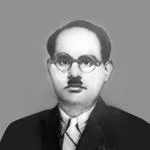

4 Generation of Physicians

Dr. Abdul Wahab Sexologist Ayurveda Doctor in Kochi Kerala

Dr Abdul Wahab

(Great Grand Father of Dr Hameed Ibrahim)

Dr. Mohammad Syed Sexoloist in Ernakulam Kerala

Dr. Mohammad Syed

(Grand Father of Dr Hameed Ibrahim)

Dr. Ibrahim Jalees Ayurveda Doctor in Kerala India

Dr. Ibrahim Jalees

(Father of Dr Hameed Ibrahim)

Dr. Hameed Sexologist in Kochi

Dr Hameed Ibrahim

Present Director of "Khokar Group of Clinics"

Our Doctors Speak English, Hindi, Urdu, Tamil, Kannada, Gujarati, Assamese, Marathi & Telugu

GET A QUICK APPOINTMENT

Video Call Consultation or Telemedicine Available

    +91 9995 202 100